


Before prescribing antibiotics for treatment, the doctor strictly warns that drinking alcohol during therapy is strictly prohibited.But now the necessary course of treatment has been completed and the question arises: how long after antibiotics can you drink alcohol?
How many days, or maybe hours, should be allocated to clean the body from the remnants of aggressive drugs?Or can we immediately celebrate the success of completing the treatment?The issue is urgent and needs to be addressed.
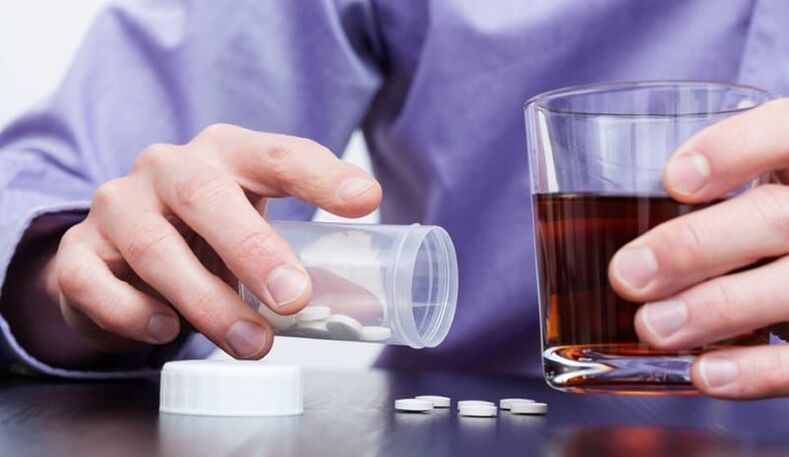
The essence of antibiotic action
Antibiotics are used to treat various infectious and inflammatory pathologies.With such a disease, when internal organs are attacked by aggressive bacteria, and the body's immune system sometimes cannot cope with it on its own.
The work of antibiotics is their effect on the cellular structure of bacteria.This reduces the ability of pathogenic microflora to multiply at an incredible speed and gradually kills the entire colony of pathogenic bacteria.
Antibiotics improve the patient's condition and help him quickly get rid of bacterial diseases.
But antibiotics also have another side to the coin: the main burden of removing them from the body falls on the liver.It is the liver organ that cleans the internal organs from the decaying remnants of drugs.
The liver organ, which bears the burden of the impact, is no longer able to cope with the additional burden.If you fill your body with alcohol at the same time (during antibiotic treatment), you can expect the following:
- Complete loss of the expected therapeutic effect.
- The appearance of unpleasant symptoms in the form of nausea, profuse vomiting, and general weakness.This is a body hangover with antibiotics mixed with alcohol.
- Diseases of the liver (especially if the liver is already weak).This option is fraught with the development of additional and sometimes life-threatening pathologies.
How the body actually reacts depends on the degree of aggressiveness of the antibiotic drug.These nuances will be better explained by the attending physician when prescribing this or that antibiotic.
What medicines should not be combined with alcohol?
But many very frivolous individuals, despite medical prohibitions, still take risks and consume intoxicating drinks during antibiotic treatment.People do not think about the possible negative consequences of neglect on their own health.
Even if everything goes well and the simultaneous use of alcohol and antibiotics does not affect your well-being, the use of such a cocktail will not disappear without consequences for the body.
The ethanol component, when reacting with antibiotic ingredients, is able to react at a "slow" rate.Such consequences may suddenly "appear" several years after treatment.
There are antibiotics that are completely incompatible with ethanol.They are the ones who cause the most sad and sad consequences after their introduction to alcohol during treatment.These are the following:
- Tetracycline.Used for therapy for diagnosed infectious diseases.
- Levomycetin.Aggressive antibiotics are marked with their own "rich" list of all kinds of side effects.Alcohol greatly increases the manifestation of side effects and worsens body intoxication.
- Lincosamides.If you combine antibiotic drugs of this series with alcohol, you can pay for the health of the liver and central nervous system.
- Aminoglycosides.They are considered the most powerful medicine.They not only cannot be combined with alcohol, but also do not tolerate the presence of other drugs in the body.The influence of alcohol during treatment with such drugs causes the worst health consequences and, in special cases, can trigger a heart attack.
- Cephalosporins.Even a weak alcoholic drink in combination with such drugs causes a disulfiram-like reaction.Patients who try to diversify cephalosporin treatment by drinking are guaranteed to experience severe hangovers.
- Macrolides.The combination of these antibiotic series drugs and drinking has a very strong and damaging effect on the state of brain receptors and hepatocides (liver cells).
Antibiotics used to treat leprosy and tuberculosis are also prohibited.All strict prohibitions must be specified in the annotation for medicines.But manufacturers do not always write about such prohibitions.For example, nothing is said in the instructions for the following medicine that you should not drink alcohol:
- antibiotics from the ansamycin group;
- tricyclic glycopeptide antibiotics;
- antibiotics for external use produced by radiata fungi;
- antifungal medication;
- penicillin series antibiotics.
To the dismay of those who suffer from drinking, the absence of prohibition does not mean that combining alcohol and this drug is possible.Keep in mind that humans are unique creatures.Some bodies will absolutely not "notice" any external alcohol interference, while others will react with severe poisoning.
When can you drink alcohol after antibiotics?
Usually, the period during which you can drink alcohol after taking antibiotics is specified in the instructions attached to the medicine..On average, this time is 10-14 days.The doctor may change this time, taking into account the following factors:
- A person's weight, build and age.
- The aggressiveness of the drug and the duration of its administration.
- The initial health status of the patient, the presence of additional chronic diseases.
The speed of removal of antibiotic drug residues from the body and, therefore, the time you can not drink after antibiotics depends on this data.If the instructions do not say anything about these nuances, you should also not rush with liquor.In this case, you need to wait at least 2-3 days after the end of the therapeutic course.
As a result of carelessness
Although the patient is familiar with the instructions and knows when he can drink alcohol after taking antibiotics, he may sometimes not pay attention to the prohibition.Or don't wait until the marked "quarantine" time.The remaining antibiotics that do not have time to leave the body safely will begin to actively block the absorption of ethyl alcohol.
What to expect from a situation when ethanol accumulates in all tissues and internal organs?Poisoning, manifested in various degrees of severity - it all depends on the state of health.A person is guaranteed to experience the following unpleasant symptoms:
- profuse vomiting;
- increased sweating;
- severe bouts of nausea;
- shortness of breath, difficulty breathing;
- surge in blood pressure;
- dizziness and loss of orientation;
- allergic reactions (urticaria, itching, swelling);
- pressing (squeezing) type pain in the sternum area;
- migraine-type headache with such intensity that it cannot be relieved by painkillers.
And this is not the whole list of problems that befall a person who ignores common sense.Wait until you can actually drink alcohol after taking antibiotics.Otherwise, a person only risks lying in a hospital bed with symptoms of severe poisoning.
Keep in mind that not all antibiotics have undergone special clinical trials.Not all modern antibiotics have proven their incompatibility with alcohol.But this does not mean that you should be a test subject.
Do not risk your own health!Alcohol will not go away, but health can deteriorate significantly and cannot be reversed by negligence.Wait as long as necessary after finishing the antibiotic treatment and it is better not to take a glass at all.Good health to you!